What is Osteoporosis?
Osteoporosis is a condition that makes bones weak and easy to break. It happens when bone density decreases over time. As a result, bones become thin and fragile. Many people do not notice symptoms until a bone breaks. However, early care can help prevent serious problems. Osteoporosis is common, especially in older adults and women after menopause. Because bone loss can happen quietly, regular check-ups are important. In some areas, like colder regions, people may have higher risk due to less sunlight and vitamin D.
Causes of Osteoporosis
Several factors can lead to osteoporosis. Some causes are natural, while others relate to lifestyle. Understanding these can help you lower your risk. For example, aging is a major cause. As people get older, bones lose strength. In addition, women are more likely to develop osteoporosis, especially after menopause. Other causes include:
Common Symptoms
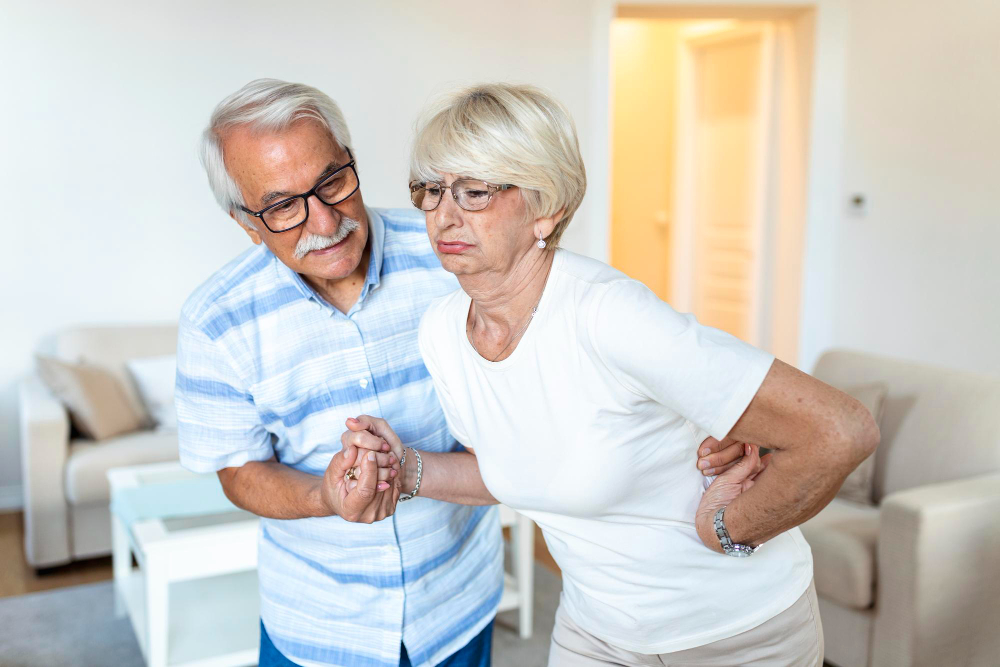
Osteoporosis is often called a “silent disease.” This is because you may not notice symptoms until a bone breaks. Still, some signs can warn you early. For instance, you might notice:
If you see these signs, it is wise to talk to your doctor. Early action can help prevent more bone loss.
Diagnosis Methods
Doctors use several ways to diagnose osteoporosis. First, they may ask about your health history and risk factors. Next, a bone density test is common. This test, called a DEXA scan, measures how strong your bones are. Blood tests may also check calcium and vitamin D levels. Sometimes, X-rays help find broken bones. With these tools, doctors can spot osteoporosis early and suggest the best treatment.
Treatment Options
There are many osteoporosis treatment options. Your doctor will choose what is best for you. Often, treatment includes:
In some cases, doctors may change your current medicines if they affect bone health. Regular follow-up visits help track your progress. Because each person is different, treatment plans may vary.
Prevention Tips
Preventing osteoporosis is possible with healthy habits. Even small changes can make a big difference. For example, you can:
Because prevention starts early, teach children and teens about bone health too.
Lifestyle Guidance for Bone Health
Good lifestyle choices help keep bones strong. For instance, staying active is key. Try walking, dancing, or light jogging. These activities build bone strength. Also, eat a balanced diet with enough protein, calcium, and vitamin D. If you fall often, make your home safer by removing tripping hazards. Wear shoes with good support. In addition, limit caffeine and salt, as they can affect bone health. With these steps, you can lower your risk of osteoporosis and enjoy a healthier life.
When to See a Doctor
It is important to see a doctor if you notice signs of osteoporosis. For example, sudden back pain, loss of height, or frequent bone fractures can be warning signs. If you have risk factors, ask your doctor about bone density testing. Early diagnosis and timely treatment can help prevent serious complications and protect your bone health.
For personalized osteoporosis care and guidance, consult a healthcare specialist at RL Hospital today.