
What is an Inclusional Cyst?
An inclusional cyst is a small, harmless lump that forms just under the skin. It often appears after the skin is injured or damaged. The cyst is filled with keratin, a soft, white substance found in skin cells. Because inclusional cysts are usually painless, many people may not notice them at first. However, they can sometimes grow or become bothersome. For this reason, it is helpful to know what to look for and how to manage them.
Common Symptoms of Inclusional Cyst
Inclusional cyst symptoms are usually mild. Still, you may notice some signs. These include:
Sometimes, the cyst may break open and release a thick, white material. If this happens, the area may become sore or red.
Causes and Risk Factors
Inclusional cysts form when skin cells get trapped under the surface. Usually, this happens after a cut, scrape, or other injury. The trapped cells keep growing and form a small sac. Over time, this sac fills with keratin. Several factors can increase your risk:
Even though anyone can get an inclusional cyst, people with frequent skin injuries may be at higher risk.
How Inclusional Cyst is Diagnosed
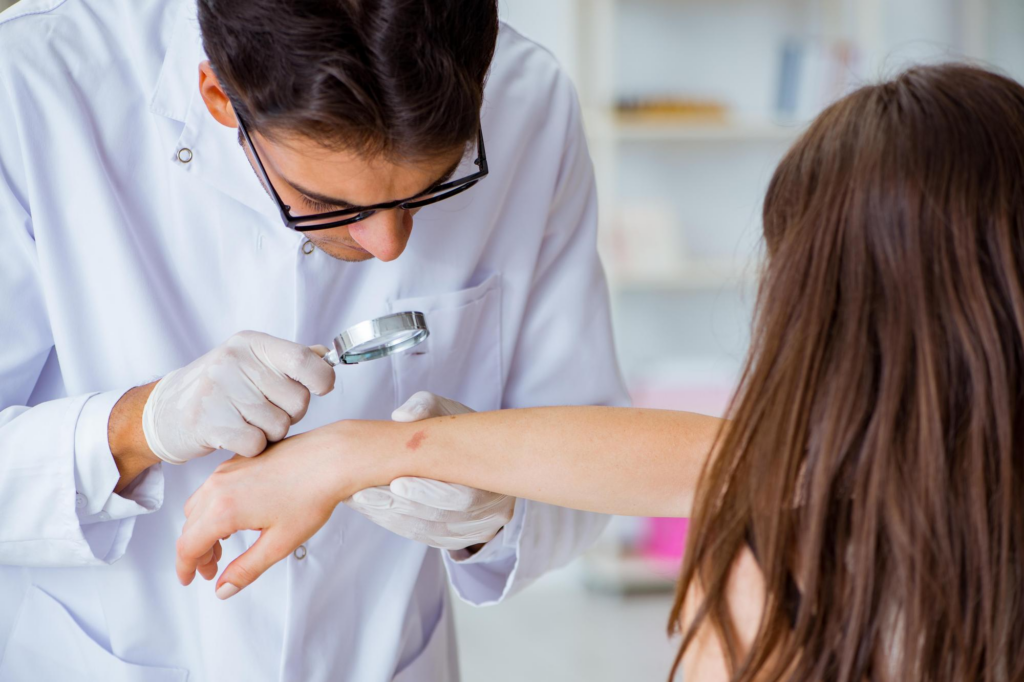
Doctors can often diagnose an inclusional cyst by looking at it and feeling it. Sometimes, they may ask about your medical history or recent injuries. In rare cases, your doctor may suggest further tests. For example, they might:
Usually, these extra steps are not needed unless the cyst looks unusual or changes quickly.
Treatment Options
Most inclusional cysts do not need treatment if they are small and painless. However, some people choose to have them removed for comfort or appearance. Treatment options include:
Never try to squeeze or pop the cyst at home. Doing so can cause infection or scarring.
Prevention and Self-Care Tips
While you cannot always prevent inclusional cysts, you can lower your risk. Try these tips:
If you notice a new lump, watch it for changes. Most cysts are harmless, but it is wise to be cautious.
When to See a Doctor
Although inclusional cysts are usually not serious, you should see a doctor if:
Early medical advice can help prevent problems and ease your mind.
If you have concerns about an inclusion cyst, consult a healthcare professional at RL Hospital for personalized advice.