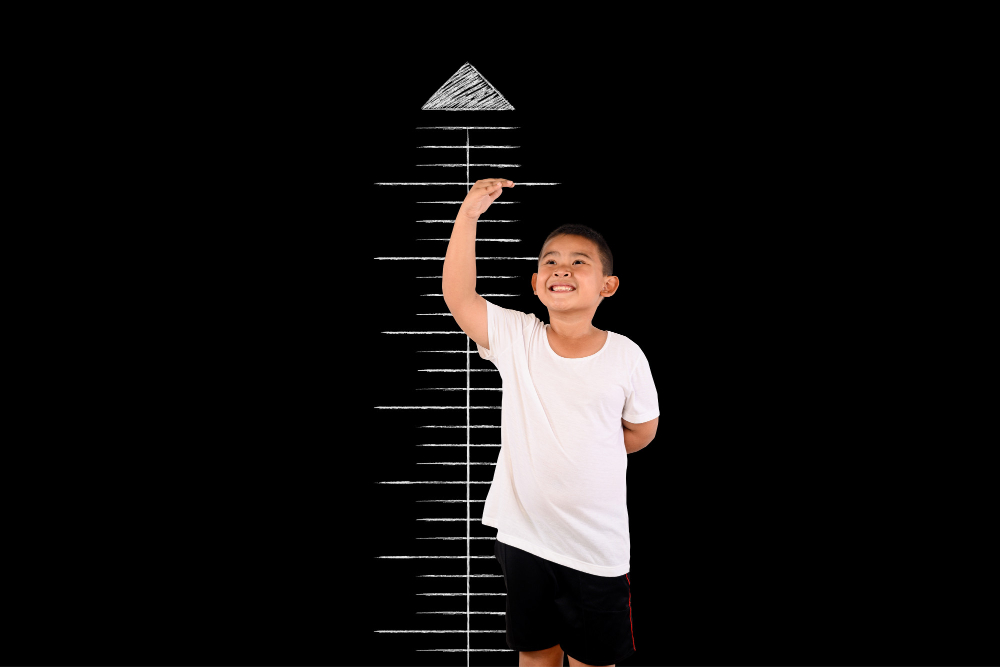
Every parent wants their child to grow up healthy and strong. A childhood growth chart is a simple tool that helps track your child’s growth over time. In fact, doctors and nurses use these charts to check if children are growing as expected. By understanding the childhood growth chart, parents and caregivers can spot early signs of health or nutrition problems. This guide will explain why growth charts matter, how to read them, and when to seek help. Let’s explore how child growth monitoring can support your child’s well-being.
What Is a Childhood Growth Chart?
A childhood growth chart is a graph that shows how a child’s height, weight, and sometimes head size change as they grow. Doctors use these charts to compare your child’s growth with other children of the same age and sex. For example, the Centers for Disease Control and Prevention (CDC) and the World Health Organization (WHO) provide standard growth charts used in the United States and worldwide. These charts help spot patterns and make sure your child is developing well.
Why the Childhood Growth Chart Matters
Growth charts are more than just numbers. They help parents and doctors see if a child is growing at a healthy rate. For instance, regular child growth monitoring can catch problems early. If a child’s growth slows down or speeds up too much, it may signal a health or nutrition issue. Early action can make a big difference in a child’s future health. Moreover, growth chart interpretation helps guide decisions about diet, exercise, and medical care.
How to Read a Growth Chart
Growth charts use percentiles to show how your child compares to others. A percentile is a number from 1 to 100. For example, if your child is in the 50th percentile for height, they are taller than 50 out of 100 children their age.
Doctors plot your child’s measurements on the chart at each visit. Over time, they look for steady growth along a curve. Sudden changes may need more attention.
When to Act Early: Warning Signs
Sometimes, a growth chart can show signs that need quick action. Watch for these warning signs:
If you notice any of these, it’s important to consult a pediatrician. Early help can prevent bigger health problems later. In addition, regular check-ups make it easier to spot these changes quickly.
Supporting Healthy Growth
Parents can do many things to help their child grow well. Here are some simple tips:
Above all, remember that every child grows at their own pace. However, healthy habits and regular check-ups support steady growth.
Frequently Asked Questions
What if my child is not in the 50th percentile?
Not all children will be in the 50th percentile. In fact, healthy children can fall anywhere on the chart. What matters most is steady growth along their own curve.
Can growth charts predict future height?
Growth charts give clues about how a child is growing now. However, they cannot predict exact adult height. Genetics, nutrition, and health all play a role.
When should I worry about my child’s growth chart?
If you see sudden changes, or if your child’s growth is much slower or faster than before, talk to your doctor. Early advice can help address any concerns.
Conclusion
Tracking your child’s growth with a childhood growth chart is a simple way to support their health. Regular child growth monitoring helps spot problems early and guides healthy habits. If you have questions or concerns about your child’s growth, do not wait. Consult a pediatrician at RL Hospital for personalized guidance on your child’s growth.